
Positive Displacement / Roots Blowers
Constant-volume air against changing back pressure: simple to strip, seal and rebuild.
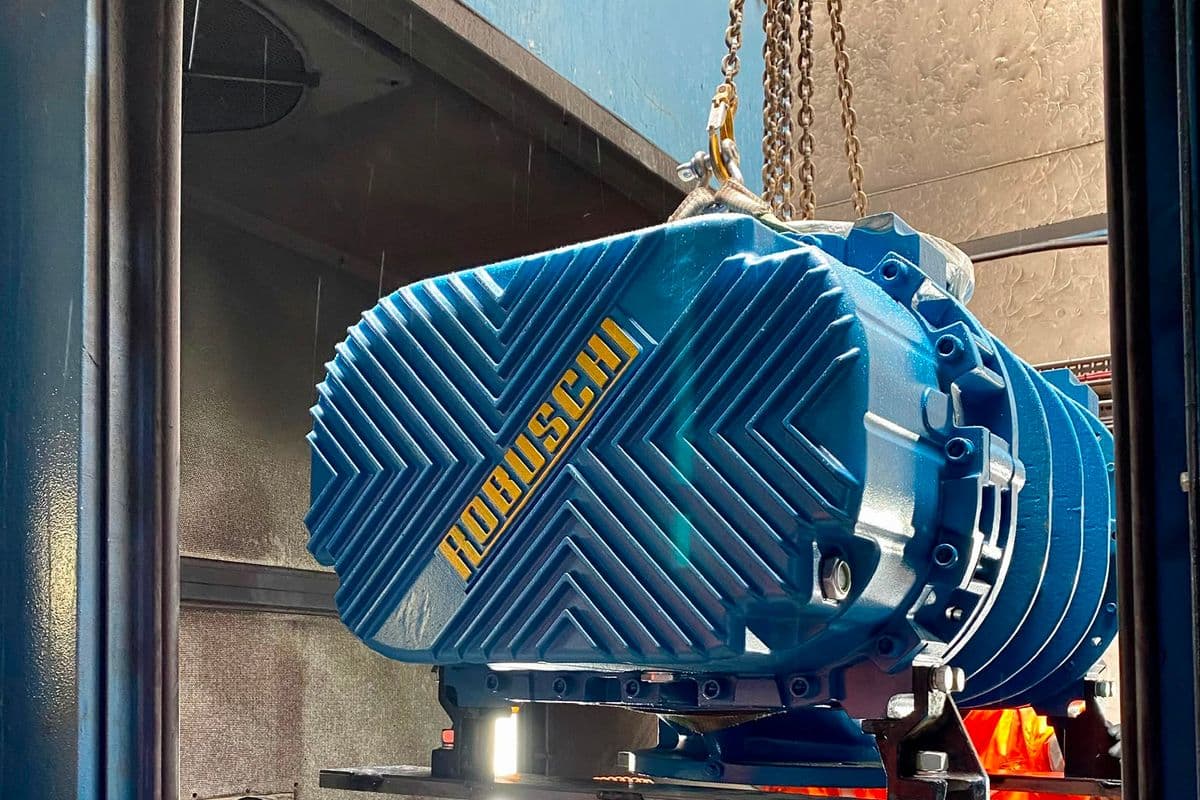
What they are
The workhorse of low-pressure air. Two lobed rotors move a fixed volume of air with every turn, so output tracks speed and keeps pushing as system pressure climbs. That simplicity is why treatment works and factories still run them by the thousand.
What we do
- Servicing and overhauls: strip, inspect, re-clearance, seal and bearing change, test.
- Repairs and breakdown response on all major makes.
- Supply: new and refurbished machines, bare shaft or packaged.
- Hire cover while yours is in the workshop.
Getting the choice right
Sizing starts with the duty point: the flow you need at the pressure the system really runs at, not the pressure on the original order. Oversized machines waste power; undersized ones run hot and flat out. If the duty swings, an inverter drive and a machine picked for turndown beat a bigger blower throttled back.
After that it's practicalities: footprint, drive style, noise limits and what your fitters already know. A machine your own team can service on a Tuesday is often worth more than a percent of efficiency.
What goes wrong
- Running hot: usually clearances opening up, a slipped belt or a blocked inlet filter, not the weather.
- A new knock or rattle: timing gear or bearing wear. Stop and call before the rotors touch.
- Pressure holding but flow falling: wear letting air slip back past the lobes.
- Oil on the casing: shaft seals on their way out. Cheap now, expensive after the bearings run dry.
Typical duties
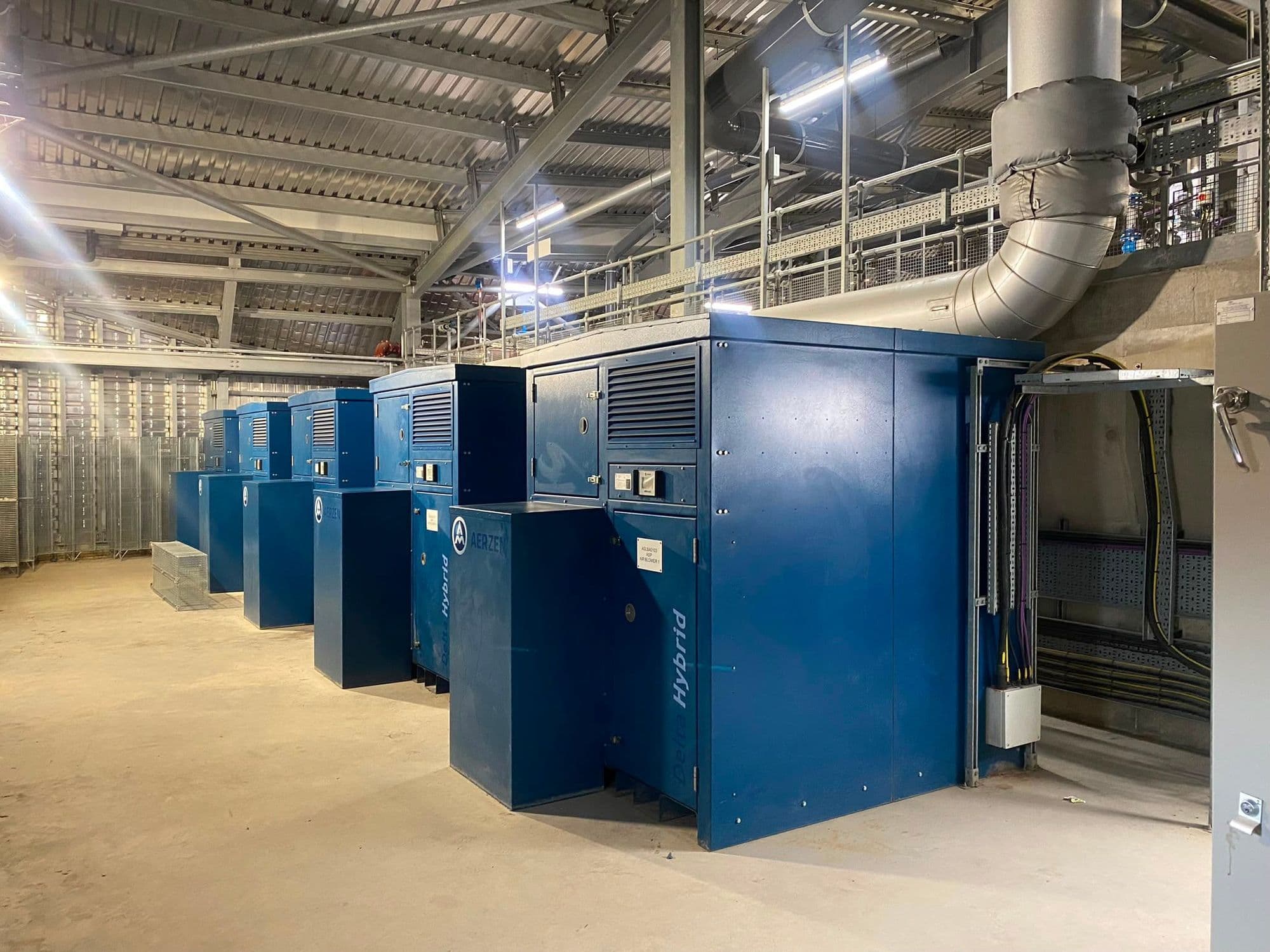
aeration, filter backwash, pneumatic conveying, digester gas mixing.
Need help choosing or fixing a blower?
Straight answers on sizing, faults and replacements, from engineers who work on every make.